Winter in Canada conjures images of snow-capped mountains, frozen lakes, and cozy cabins tucked away in the wilderness. But what about spending winter in an RV? While it might sound daunting to some, for adventurous souls, it’s an opportunity to experience the true beauty of Canada in its most raw and untouched form. In this blog post, we’ll delve into what it’s like to winter full-time in an RV in Canada, exploring the challenges, joys, and secrets to thriving in the Great White North.
The Challenges of Winter RV Living: Let’s address the elephant in the room: winter in Canada can be harsh. Sub-zero temperatures, heavy snowfall, and icy roads present unique challenges for RV dwellers. But with careful planning and preparation, these challenges can be overcome.
- Insulation and Heating: Proper insulation is crucial for keeping warm during Canadian winters. Investing in quality insulation and ensuring all windows, doors, and vents are sealed can make a world of difference. Additionally, having a reliable heating system, whether it’s propane, electric, or diesel, is essential for staying cozy when temperatures plummet.
- Water Management: One of the biggest challenges in winter RV living is preventing water systems from freezing. Insulating water pipes and tanks, using heated water hoses, and keeping the RV’s interior heated can help avoid costly damage from frozen pipes.
- Snow Removal: Regular snow removal is a necessity when living in an RV during winter. Keeping the roof, slide-outs, and awnings clear of snow prevents excess weight and potential leaks. Investing in a sturdy snow shovel and staying on top of snow removal chores is key.
- Road Conditions: Navigating icy and snow-covered roads requires caution and skill. Investing in snow tires, carrying tire chains, and equipping the RV with emergency supplies can help ensure safe travels during winter.
Finding Joy in Winter RV Living: Despite the challenges, wintering in an RV in Canada offers unparalleled opportunities for adventure and serenity.
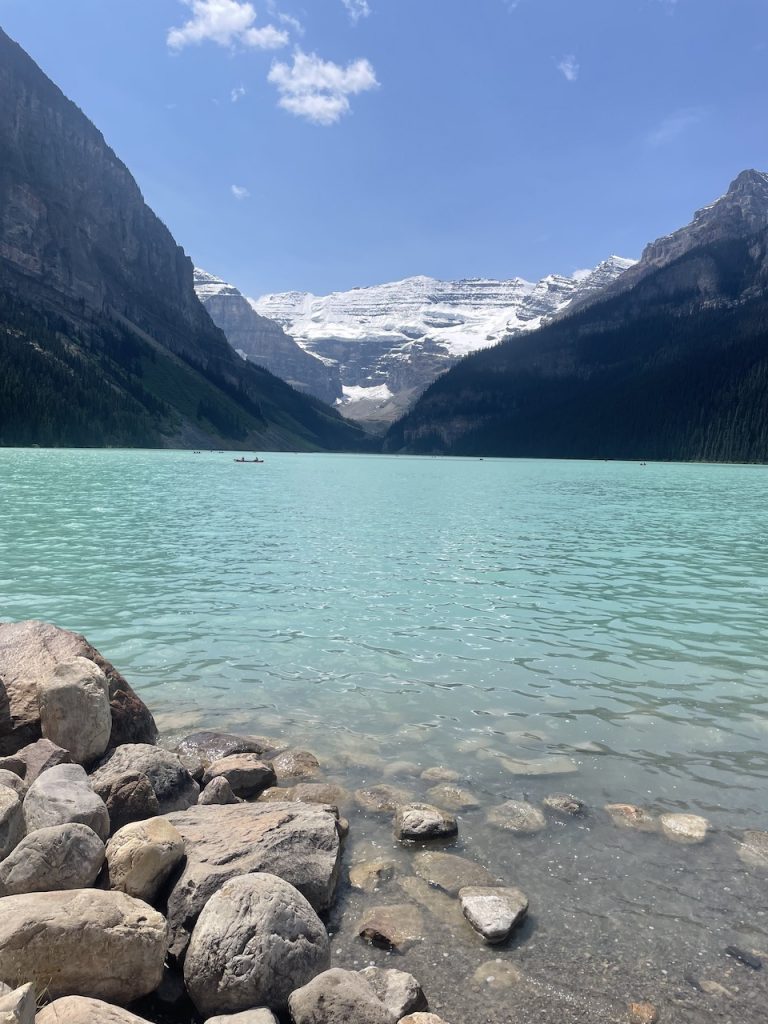
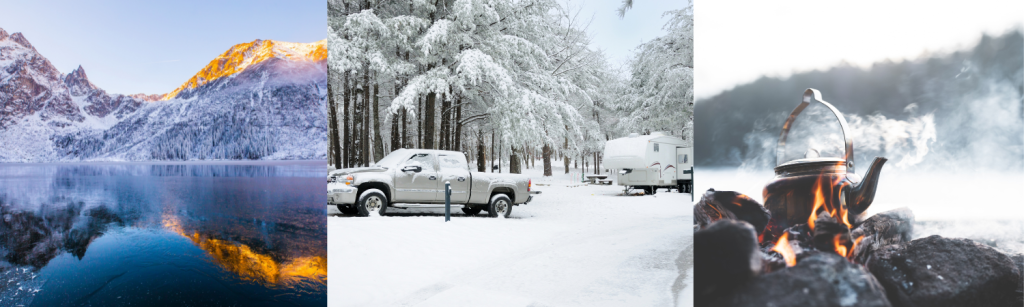
- Spectacular Scenery: Winter transforms Canada into a magical wonderland. From the rugged peaks of the Rocky Mountains to the serene beauty of frozen lakes, the landscape takes on a whole new allure. Waking up to snow-covered forests and breathtaking vistas is an experience like no other.
- Outdoor Activities: Winter in Canada offers a myriad of outdoor activities to enjoy, from skiing and snowboarding to ice fishing and snowshoeing. RVers can take advantage of national parks, ski resorts, and cozy towns nestled in the mountains, all within reach of their mobile home.
- Community Connection: Despite the solitude of winter RV living, there’s a strong sense of camaraderie among fellow RVers. Shared campfires, potluck dinners, and storytelling sessions foster a sense of community, making even the coldest nights feel warm and inviting.
Tips for Winter RV Survival:
- Plan Ahead: Research campgrounds and RV parks that remain open during winter months and make reservations in advance. Shubie Campground in Dartmouth, N.S. is one of the first to be successful in this venture. Read about how the campers here not only survived but thrived this past winter! Stock up on essential supplies, including food, water, and propane, to avoid running low during inclement weather.
- Stay Flexible: Winter weather in Canada can be unpredictable. Be prepared to change plans at a moment’s notice and have alternative routes and destinations in mind.
- Embrace Hygge: Embrace the Danish concept of hygge (pronounced hoo-gah) by creating a cozy and inviting living space. Invest in soft blankets, warm lighting, and candles to create a sense of comfort and well-being during long winter nights.
Wintering full-time in an RV in Canada is not for the faint of heart, but for those willing to embrace the challenges, it’s a journey filled with unparalleled beauty, adventure, and camaraderie. With careful planning, preparation, and a sense of adventure, RVers can experience the true magic of Canada’s winter wonderland from the comfort of their mobile home. So bundle up, hit the road, and let the winter adventures begin!